BOOK ONLINE
  0420 102 394



Common Causes of Blocked Drains and How to Fix Them
.png "Common causes of blocked drains and how to fix them")
Diagnosing the Cause is the First Step to a Permanent Fix
If you’re dealing with a blocked drain, you’re not alone — blocked drains are one of the most common plumbing issues we attend across Sydney. Understanding what caused the blockage is the first step toward fixing it properly and preventing it from happening again. Below are the most common causes of blocked drains we encounter, what happens inside your pipes when they occur, and how a professional plumber resolves each one.
- 35+ Years of Combined Experience
- $0 Call Out Fees
- Trusted by 15,000+ Sydney Families
- Onsite in 30 - Minutes Guaranteed
- In the community For the community
- 35+ Years of Combined Experience
- $0 Call Out Fees
- Trusted by 15,000+ Sydney Families
- Onsite in 30 - Minutes Guaranteed
- In the community For the community
- 35+ Years of Combined Experience
- $0 Call Out Fees
- Trusted by 15,000+ Sydney Families
- Onsite in 30 - Minutes Guaranteed
- In the community For the community
- 35+ Years of Combined Experience
- $0 Call Out Fees
- Trusted by 15,000+ Sydney Families
- Onsite in 30 - Minutes Guaranteed
- In the community For the community
- 35+ Years of Combined Experience
- $0 Call Out Fees
- Trusted by 15,000+ Sydney Families
- Onsite in 30 - Minutes Guaranteed
- In the community For the community
- 35+ Years of Combined Experience
- $0 Call Out Fees
- Trusted by 15,000+ Sydney Families
- Onsite in 30 - Minutes Guaranteed
- In the community For the community
- 35+ Years of Combined Experience
- $0 Call Out Fees
- Trusted by 15,000+ Sydney Families
- Onsite in 30 - Minutes Guaranteed
- In the community For the community
The 8 Most Common Causes of Blocked Drains
Across thousands of Sydney call-outs, these eight causes account for almost every blocked drain we see. For each one, here’s what’s happening inside your pipes — and how a professional plumber resolves it.
Tree Root Intrusion
Tree roots are the number one cause of blocked sewer drains in Sydney, particularly in older suburbs across the Eastern Suburbs, Inner West, and North Shore where mature trees line streets and properties.
Tree roots are naturally attracted to the moisture and nutrients inside drainage pipes. They enter through hairline cracks, loose joints, and connection points — especially in ageing clay and earthenware pipes common across Sydney’s older housing stock. Once inside, roots expand rapidly, forming dense masses that trap waste and eventually block the pipe entirely.
Our plumbers start with a CCTV drain camera inspection to locate exactly where roots have entered and assess severity. For active root blockages, we use high-pressure hydro-jetting combined with root cutting turbines to clear the intrusion and restore full pipe flow. If CCTV reveals the pipe is cracked or compromised, we recommend pipe relining to seal the entry points permanently. Without repair, tree root blockages typically recur within 6 to 12 months.
Grease, Fat & Oil Build-Up
Grease blockages are the leading cause of blocked kitchen sinks in both residential and commercial properties.
When cooking grease, fats, and oils are poured down the kitchen drain, they’re liquid from the heat. As they travel through the pipe and cool, they solidify and coat the internal pipe walls. Over time, these sticky deposits trap food particles, soap residue, and other debris, progressively narrowing the pipe diameter until water can no longer pass through.
Hydro-jetting is the most effective method for grease blockages. The high-pressure water stream — at up to 5,000 PSI — strips solidified grease from the full internal circumference of the pipe, restoring it to original diameter. Electric eels can punch through grease blockages, but only clear a channel through the centre — the grease remains on the pipe walls and the blockage returns faster.
Never pour cooking oil, grease, or fat down the drain. Let it cool in a container and dispose of it in the bin. Run hot water through your kitchen drain for 30 seconds after washing up.
Hair & Soap Scum
Bathroom drains — particularly showers, bathtubs, and basin sinks — are highly susceptible to hair and soap scum accumulation.
Hair falls into the drain during showers and washing and binds with soap residue to form dense, matted clumps. These clumps catch on pipe walls, drain fittings, and P-traps, creating a growing mass that restricts water flow. Over weeks and months, the accumulation worsens until the drain blocks completely.
Minor hair blockages can sometimes be cleared with a plunger or manual extraction — see our DIY drain clearing guide for safe methods you can try at home. For deeper or more compacted hair blockages, our plumbers use electric eels and drain rods to break apart and remove the matted build-up, followed by a hot water flush.
Install drain screens in showers and bathtubs to catch hair before it enters the pipe. Clean screens weekly. A monthly flush with bicarbonate of soda and white vinegar helps prevent soap scum accumulation.
Foreign Objects & Sanitary Products
Flushing items that don’t break down in water is one of the fastest ways to cause a blocked toilet or a blockage deeper in the sewer line.
Wet wipes (even those labelled “flushable”), sanitary products, cotton buds, nappies, dental floss, and children’s toys are all common culprits. These items don’t dissolve in water. They lodge in pipe bends, junctions, and narrower sections of the drainage system, creating an immediate or progressive blockage that traps everything behind it.
CCTV inspection to locate the foreign object, followed by hydro-jetting or mechanical clearing to dislodge and flush it from the system. For persistent blocked toilet issues, we may need targeted extraction or access pit excavation if the object is too large or firmly lodged to clear by jetting alone.
Only flush the three Ps — pee, poo, and (toilet) paper. Keep a bin in the bathroom for everything else.
Broken, Cracked or Collapsed Pipes
Pipe failure is a common cause of recurring blockages that keep coming back despite repeated clearing.
Ageing pipes deteriorate over time from ground movement, tree root pressure, corrosion, and general wear. Cracked pipes allow soil and debris to enter the drainage system. Collapsed sections create a physical barrier that traps waste and causes backflow. Misaligned joints from ground settlement create lips and steps inside the pipe where debris accumulates.
CCTV inspection is essential to identify the type, location, and extent of pipe damage. For cracked or root-damaged pipes that are still structurally intact, pipe relining is the preferred solution — a structural epoxy liner is inserted and cured in place, creating a new pipe within the old pipe with a 50-year life expectancy and no need for excavation. For fully collapsed pipes, targeted excavation and pipe replacement of the affected section may be necessary.
Stormwater & Debris Ingress
Blocked stormwater drains are especially common during Sydney’s heavy rainfall periods and after storms.
Leaves, dirt, mulch, sediment, and garden debris wash into stormwater drains and gutter systems during rain. If grates aren’t kept clear, this material accumulates inside the pipe, reduces flow capacity, and eventually causes a complete blockage. Tree roots also commonly invade stormwater pipes through cracks and joints.
We clear stormwater blockages using hydro-jetting to flush debris from the pipe, followed by CCTV inspection to check for root intrusion or pipe damage that may have contributed to the blockage. For properties with recurring stormwater issues, we recommend a scheduled maintenance plan with regular grate clearing and hydro-jet flushing.
Keep stormwater drain grates clear of leaves and debris, particularly before heavy rain. Trim overhanging vegetation near stormwater drains. Schedule a professional stormwater inspection before winter.
Mineral & Scale Build-Up
Hard water deposits narrow pipes gradually over years.
In areas with harder water, mineral deposits — primarily calcium and magnesite — accumulate on the internal walls of pipes, reducing the internal diameter and creating rough surfaces that trap other debris. Scale build-up is most common in older galvanised steel and copper pipes.
Hydro-jetting at high pressure strips mineral scale from pipe walls and restores flow. For severely scaled pipes that have lost significant internal diameter, pipe relining or replacement may be recommended.
Poor Pipe Installation or Insufficient Fall
Incorrectly installed pipes are a hidden cause of chronic, recurring blockages.
Pipes installed with insufficient fall (gradient), improper joint connections, or undersized diameters create low-flow zones where waste and debris settle and accumulate instead of flowing through to the sewer main. This is a common issue in renovated properties where plumbing has been modified by unlicensed tradespeople.
CCTV inspection identifies sections with inadequate fall or poor joint connections. Depending on severity, the solution may involve pipe relining to smooth the internal surface, or targeted excavation and reinstallation of the affected section with correct gradient.
When to Call a Professional
If your drain is blocked and the cause isn’t immediately obvious — or if the blockage keeps returning — it’s time to call a licensed plumber. DIY methods are effective for minor, surface-level blockages, but anything deeper requires professional CCTV inspection, hydro-jetting, and specialist clearing equipment to diagnose and resolve properly.
Proximity Plumbing offers a $0 call-out fee across Sydney. We attend your property, inspect the blockage using CCTV, and provide an upfront fixed-price quote before any work begins. If you choose not to proceed, you owe nothing.
Frequently Asked Questions
What is the most common cause of blocked drains?
In Sydney, tree root intrusion is the most common cause of blocked sewer drains, while grease and fat build-up is the leading cause of blocked kitchen drains. Hair and soap scum dominate bathroom drain blockages. The cause varies depending on the drain type, pipe material, and property age.
Why does my drain keep blocking?
Recurring blockages almost always indicate a deeper issue — typically tree root intrusion, a cracked or collapsed pipe, or insufficient pipe fall. Clearing the blockage temporarily without addressing the underlying cause means it will return. A CCTV drain inspection can identify the root cause and determine whether pipe relining or repair is needed for a permanent fix.
Can tree roots damage my pipes permanently?
Yes. Tree roots enter through cracks and joints and expand inside the pipe, progressively widening the damage. Without intervention, root intrusion leads to pipe cracking, displacement, and eventual collapse. Pipe relining seals these entry points permanently — creating a root-proof barrier with a 50-year life expectancy.
Related Reading
Blocked Drain in Sydney?
Whatever the cause, we’ll diagnose it with CCTV, clear it properly, and tell you exactly what it’ll take to stop it coming back — with no call-out fee for our time.
- 35+ Years of Combined Experience
- $0 Call Out Fees
- Trusted by 15,000+ Sydney Families
- Onsite in 30 - Minutes Guaranteed
- In the community For the community
- 35+ Years of Combined Experience
- $0 Call Out Fees
- Trusted by 15,000+ Sydney Families
- Onsite in 30 - Minutes Guaranteed
- In the community For the community
- 35+ Years of Combined Experience
- $0 Call Out Fees
- Trusted by 15,000+ Sydney Families
- Onsite in 30 - Minutes Guaranteed
- In the community For the community
- 35+ Years of Combined Experience
- $0 Call Out Fees
- Trusted by 15,000+ Sydney Families
- Onsite in 30 - Minutes Guaranteed
- In the community For the community
- 35+ Years of Combined Experience
- $0 Call Out Fees
- Trusted by 15,000+ Sydney Families
- Onsite in 30 - Minutes Guaranteed
- In the community For the community
- 35+ Years of Combined Experience
- $0 Call Out Fees
- Trusted by 15,000+ Sydney Families
- Onsite in 30 - Minutes Guaranteed
- In the community For the community
- 35+ Years of Combined Experience
- $0 Call Out Fees
- Trusted by 15,000+ Sydney Families
- Onsite in 30 - Minutes Guaranteed
- In the community For the community
LATEST PLUMBING BLOGS

2022 Home Insurance And Plumbing: What You Need To Know
Understanding your home insurance and what you are covered for when it comes to plumbing can be overwhelming. Do you have cover if the land mower of your neighbour damages part of your pipeline?....
Read More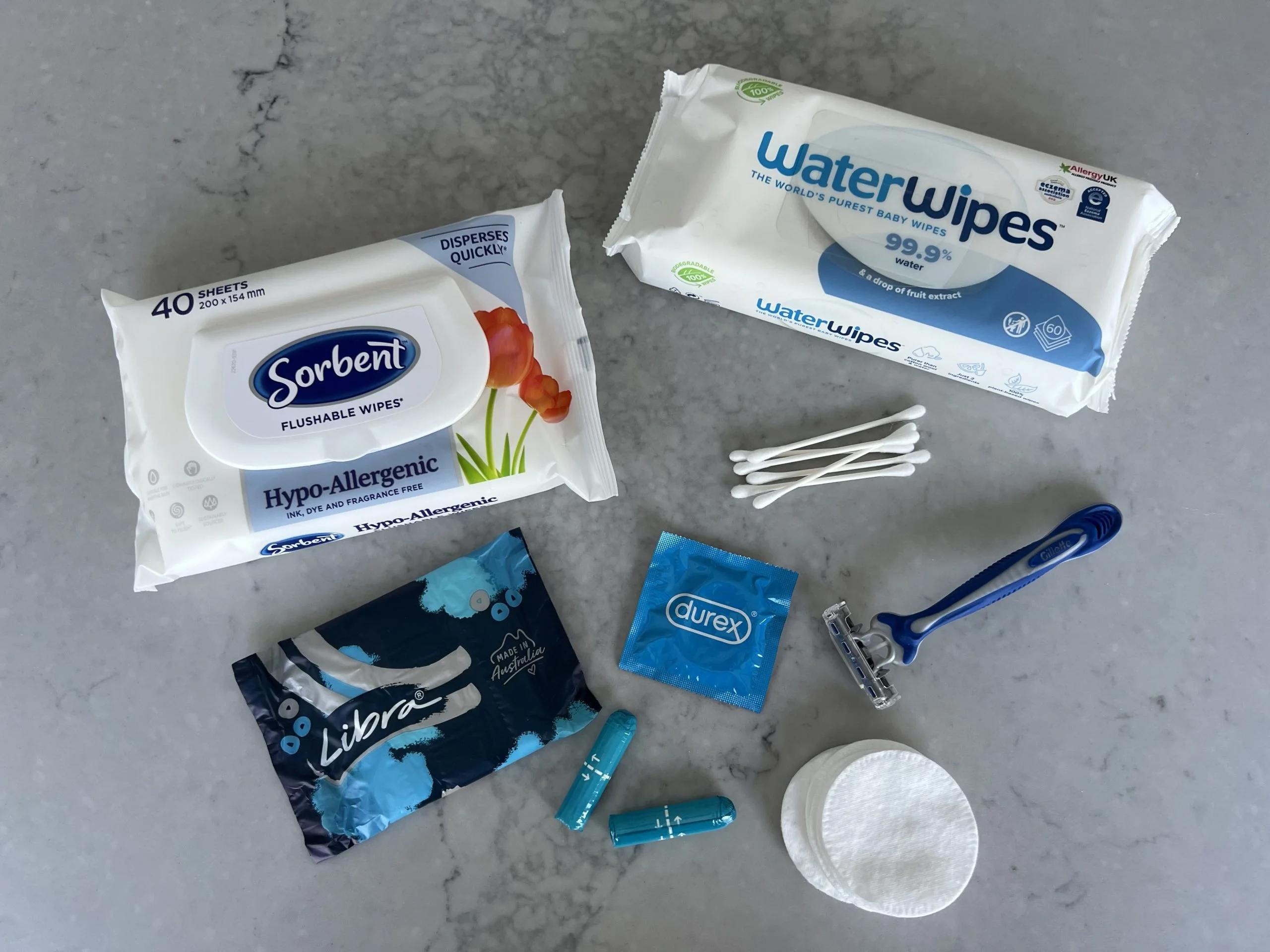
Please Don’t Flush This Down The Toilet
Fatbergs are created when you flush down wet wipes or “flushable” wipes down the toilet and they get caught up in your pipes with a combination of any oils, fats or grease poured down the ....
Read More
How To Choose The Right Plumber in 2022.
Imagine you’re in the midst of a plumbing emergency (we’ve all been there) and you desperately need an ace plumber on your door step. We doubt in the middle of a plumbing emergency you&rs....
Read More
How To Unclog A Toilet Without A Plunger?
Irrespective of how hard you try, sometimes a toilet or bathroom clog is unavoidable. Whatever might be the reason for the clog, you need to clear the same. When you wish to fix the problem, a plunger....
Read More$0 Call Out On All Sydney Plumbing Services
Can’t find the service you need? Don’t worry — we probably do it. Use our search to check if our plumbers cover your area!

.jpg "Schools & Day Care Centres")
Not sure where to start? Just give us a call and we’ll guide you through your options step by step. Our team will explain everything clearly, offer expert advice, and if it suits you, we can send someone out today.
THIS IS WHAT WE GET UP TO ON A DAILY BASIS