Tree Root Intrusion
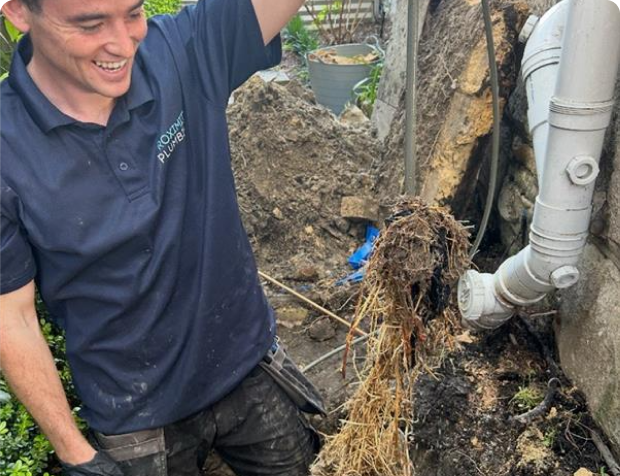
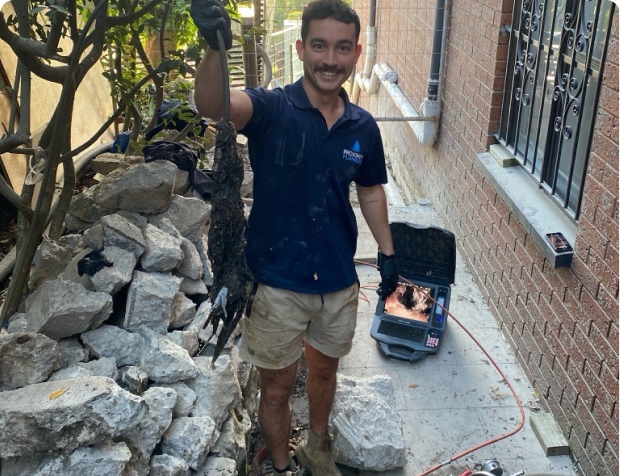
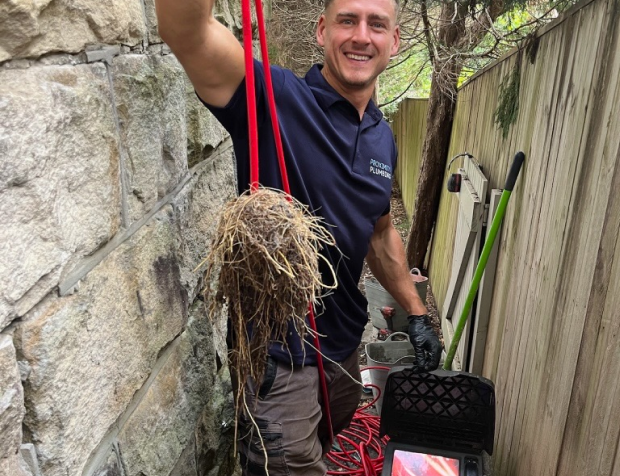
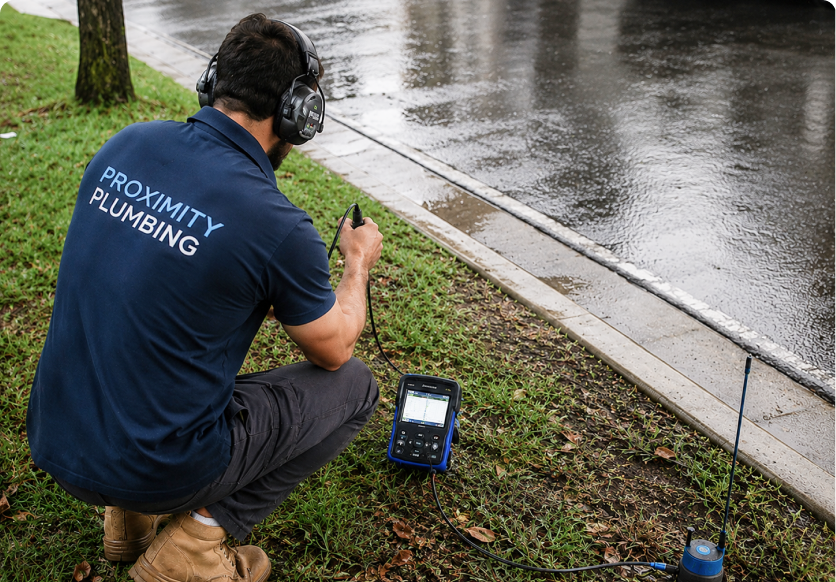
Sydney's older suburbs are lined with mature trees whose roots actively seek moisture. Roots penetrate pipe joints, cracks, and connection points — particularly in ageing clay and earthenware pipes common across the Eastern Suburbs, North Shore, and Inner West. Once inside, roots expand rapidly and create dense blockages that worsen over time.
Grease, Fat & Oil Build-Up
Cooking grease, fats, and oils poured down the kitchen sink solidify as they cool inside your pipes, creating sticky deposits that trap food particles and other debris. Over time, these accumulations narrow the pipe diameter and eventually form a complete blockage. This is the leading cause of blocked kitchen drains in both residential and commercial properties.
Hair & Soap Scum
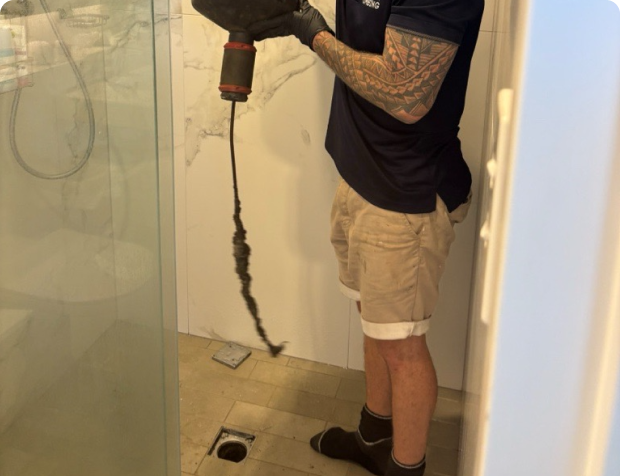
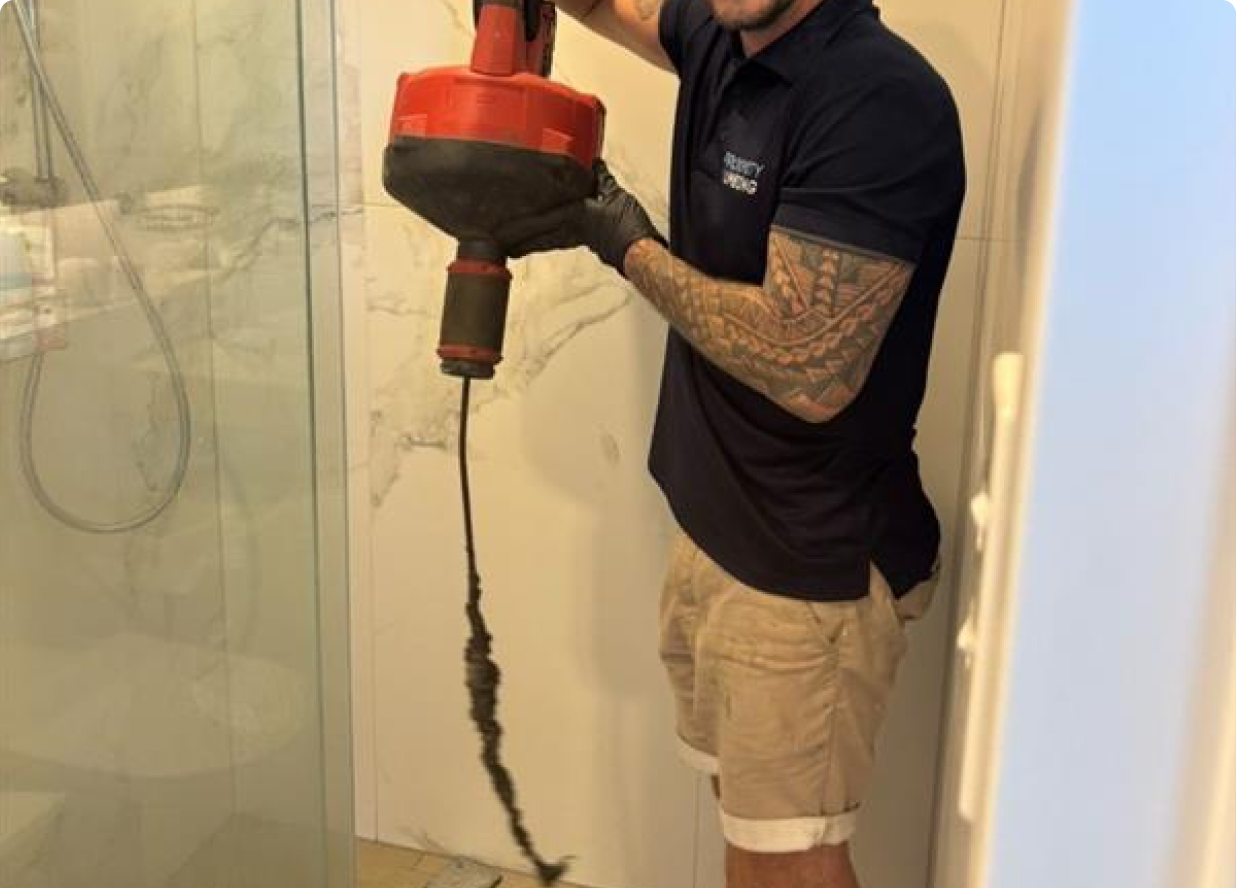
Bathroom drains — particularly showers, bathtubs, and basin sinks — are highly susceptible to hair and soap scum accumulation. Hair binds with soap residue to form dense, matted blockages that restrict water flow and are difficult to remove without professional equipment.
Foreign Objects & Sanitary Products
Flushing items that do not break down in water — including wet wipes (even those labelled "flushable"), sanitary products, cotton buds, nappies, and children's toys — is one of the fastest ways to cause a blocked drain or blocked toilet. These items lodge in pipe bends and junctions, creating immediate or progressive blockages.
Broken, Cracked or Collapsed Pipes
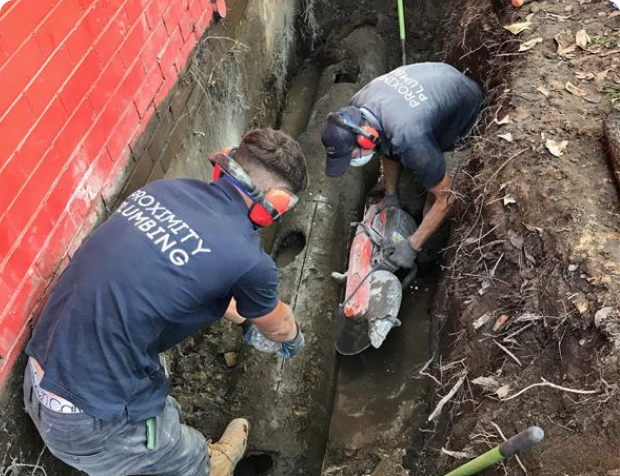
Ageing pipes deteriorate over time due to ground movement, tree root pressure, corrosion, and general wear. Cracked or collapsed pipe sections restrict flow, trap debris, and create recurring blockages that cannot be resolved by clearing alone — they require pipe repair or relining.
Stormwater & Debris Ingress
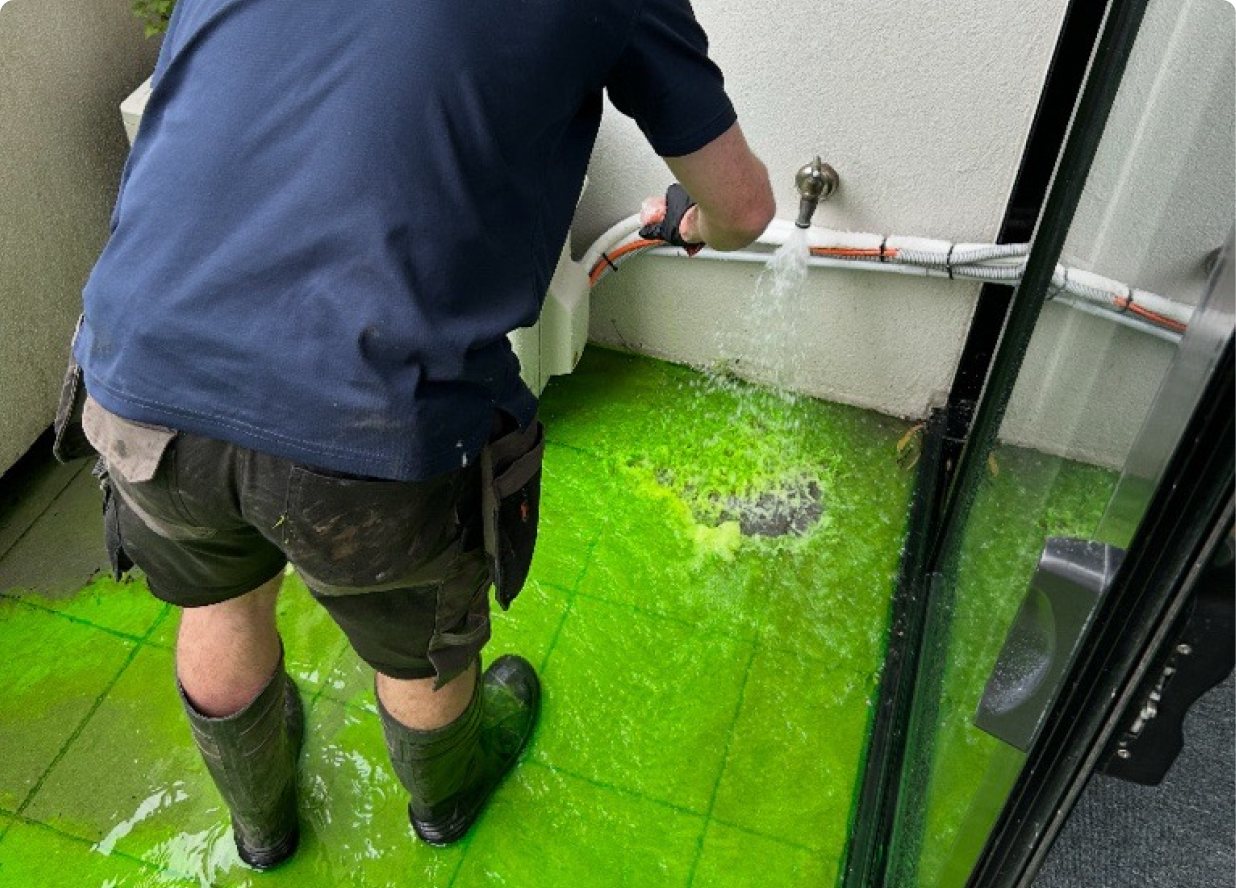
Heavy rainfall washes leaves, dirt, sediment, and garden debris into stormwater drains and gutter systems. Blocked stormwater drains can cause localised flooding, water pooling around foundations, and backflow into internal drainage systems during storms.
Mineral & Scale Build-Up
In areas with hard water, mineral deposits accumulate inside pipes over time, narrowing the internal diameter and creating rough surfaces that trap other debris. Scale build-up is particularly common in older galvanised steel and copper pipes.
Poor Pipe Installation or Grade
Incorrectly installed pipes — including insufficient fall (gradient), improper joint connections, or undersized pipe diameters — create low-flow zones where waste and debris settle and accumulate. Poor installation is a common cause of chronic, recurring blockages.
Garden & Landscaping Runoff
Soil, mulch, sand, and garden debris washed into outdoor drains during watering or rainfall can accumulate and block both stormwater and sewer connections. Properties with recent landscaping work are particularly vulnerable.
Structural Defects in Sewer Mains
Ground movement, construction activity, and ageing infrastructure can cause misaligned joints, bellied pipes (sagging sections where waste pools), and structural failures in the main sewer line. These defects require CCTV inspection to identify and professional repair to resolve.
Testing
Testing content here
 BOOK ONLINE
  0420 102 394


 (2,576)




















.png "Callum")
.png "Mark")
.png "JB")