BOOK ONLINE
  0420 102 394



Hydro Jetting vs Traditional Drain Clearing: Which Is Better?
.png "Hydro Jetting vs Traditional Drain Clearing: Which Is Better?")
Three Clearing Methods, One Best Choice for Most Sydney Blockages
When a plumber arrives to clear a blocked drain, the method they use makes a real difference to how well the blockage is cleared, how long the result lasts, and what it costs. The three most common drain clearing methods used by Sydney plumbers are hydro-jetting (jet blasting), electric eels, and manual drain rods. Each has its place — but they aren’t equally effective for every type of blockage.
Below: how each method works, when it should be used, and how to know which one is right for your situation.
- 35+ Years of Combined Experience
- $0 Call Out Fees
- Trusted by 15,000+ Sydney Families
- Onsite in 30 - Minutes Guaranteed
- In the community For the community
- 35+ Years of Combined Experience
- $0 Call Out Fees
- Trusted by 15,000+ Sydney Families
- Onsite in 30 - Minutes Guaranteed
- In the community For the community
- 35+ Years of Combined Experience
- $0 Call Out Fees
- Trusted by 15,000+ Sydney Families
- Onsite in 30 - Minutes Guaranteed
- In the community For the community
- 35+ Years of Combined Experience
- $0 Call Out Fees
- Trusted by 15,000+ Sydney Families
- Onsite in 30 - Minutes Guaranteed
- In the community For the community
- 35+ Years of Combined Experience
- $0 Call Out Fees
- Trusted by 15,000+ Sydney Families
- Onsite in 30 - Minutes Guaranteed
- In the community For the community
- 35+ Years of Combined Experience
- $0 Call Out Fees
- Trusted by 15,000+ Sydney Families
- Onsite in 30 - Minutes Guaranteed
- In the community For the community
- 35+ Years of Combined Experience
- $0 Call Out Fees
- Trusted by 15,000+ Sydney Families
- Onsite in 30 - Minutes Guaranteed
- In the community For the community
How Each Drain Clearing Method Works
Three clearing methods, three different mechanisms. Here’s how each one works inside your pipes.
Hydro-Jetting (Jet Blasting)
Hydro-jetting uses a high-pressure water stream — at pressures up to 5,300 PSI — delivered through a specialised hose and nozzle inserted into the drain pipe. The nozzle propels itself along the length of the pipe, blasting through blockages and flushing the entire pipe interior clean.
The high-pressure water cuts through tree roots, strips solidified grease from pipe walls, and flushes leaves, sediment, and debris out of the system. Different nozzle types are used depending on the blockage — root cutting nozzles for tree roots, forward-firing nozzles for compacted blockages, and flushing nozzles for general cleaning.
Modern hydro-jetting equipment can reach over 100 metres into a drainage system and handle pipe diameters from 40mm to 225mm — covering everything from small internal drains to large sewer and stormwater mains.
Electric Eel (Drain Snake)
An electric eel — also called a drain snake — is a mechanical device that feeds a rotating metal cable with a cutting head down the drain pipe. The cutting head spins as it travels through the pipe, cutting through tree roots and breaking apart compacted blockages.
Electric eels have been a standard plumbing tool for decades. They’re effective at punching through blockages and creating a clear channel for water to flow. However, the cutting head only clears a channel the size of the cutting head itself — it doesn’t clean the full diameter of the pipe or remove build-up from the pipe walls.
Drain Rods
Drain rods are manual tools — lengths of flexible rod connected end-to-end and pushed into the drain to dislodge blockages through physical force. They’re often used as a first-response tool for straightforward blockages in accessible drain runs.
Drain rods are effective for shifting localised blockages caused by debris, compacted waste, and minor root intrusions in accessible pipes. They’re the simplest and most affordable clearing method, but they rely on the plumber’s physical force and reach — making them impractical for deep blockages, long pipe runs, or hard compacted obstructions.
How They Compare — Side by Side
A quick-reference verdict on the four factors that matter most. Detailed explanations below.
| Factor | Hydro-Jetting | Electric Eel | Drain Rods |
|---|---|---|---|
| Effectiveness | Cleans full pipe interior | Clears central channel only | Surface blockages only |
| Longevity of Result | Longest interval before re-block | Re-blocks faster (walls remain coated) | Short-term fix |
| Pipe Safety | Safe with experienced operator | Slight risk on fragile pipes | Lowest risk |
| Reach & Pipe Size | 100m+ reach · 40–225mm pipes | Moderate reach · smaller pipes | Limited to accessible runs |
| Upfront Cost | Higher (lower long-term) | Mid-range | Most affordable |
Effectiveness
Hydro-jetting is the most thorough clearing method available. Because the high-pressure water cleans the entire internal circumference of the pipe — not just a central channel — it removes grease, scale, roots, and debris from the pipe walls. A drain cleaned by a high-pressure jet blaster with a root cutting turbine is left significantly cleaner than one cleared using an electric eel alone. The result is a pipe restored to close to its original internal diameter, which means it takes longer for build-up to reach a critical level again.
Electric eels clear a channel through the blockage, but the build-up on the pipe walls remains. For grease blockages, this means the narrowed pipe re-blocks faster because the grease coating is still in place. For root blockages, the eel cuts through the root mass but doesn’t remove the smaller root fibres clinging to the pipe wall.
Drain rods are effective for surface-level blockages but can’t match the reach, power, or thoroughness of hydro-jetting or electric eels.
Longevity of Results
Because hydro-jetting cleans the full pipe interior, the results last significantly longer than electric eel or drain rod clearing. For recurring blockages caused by grease, roots, or sediment, hydro-jetting provides the longest interval between re-blockages.
Electric eel clearing provides a shorter-lasting result because the pipe walls remain coated. For tree root blockages, roots typically regrow to a blocking level within 6 to 12 months after eel clearing, whereas hydro-jetting with root cutting can extend that interval.
Pipe Safety
All three methods are safe for modern PVC and HDPE pipes when operated by a trained plumber. For older clay, earthenware, and cast iron pipes — common across Sydney’s older suburbs — hydro-jetting requires an experienced operator who can adjust pressure to suit the pipe condition. In the hands of a qualified plumber, hydro-jetting is safe for all pipe types.
Electric eels carry a slightly higher risk of pipe damage in fragile or severely deteriorated pipes, as the rotating metal cable can catch on displaced joints or cracks. Drain rods are the lowest risk option but also the least effective for anything beyond simple blockages.
Cost
Hydro-jetting generally costs more than electric eel or drain rod clearing because the equipment is more expensive to operate and the clearing is more thorough. However, because the results last significantly longer, the total cost over time is often lower than repeated electric eel clearing.
For a detailed breakdown of blocked drain costs in Sydney, including pricing for different clearing methods, read our comprehensive blocked drain pricing guide.
When Each Method Is Used
The right method depends on the blockage. Here’s when each one is the right call.
Hydro-Jetting Is Right For
- ✓Tree root blockages in sewer and stormwater pipes
- ✓Heavy grease and fat accumulation in kitchen drains
- ✓Sediment and debris in long pipe runs
- ✓Recurring blockages where previous clearing hasn’t lasted
- ✓Pre-purchase drain inspections requiring full CCTV assessment
- ✓Commercial properties with high-volume drainage systems
Electric Eels Are Right For
- ✓Straightforward blockages caused by foreign objects
- ✓Compacted waste or moderate root intrusions
- ✓Smaller diameter pipes
- ✓Short, accessible drain runs where the blockage is localised
Drain Rods Are Right For
- ✓Simple, shallow blockages in accessible drains
- ✓Blocked gully traps
- ✓Minor toilet blockages
- ✓Surface-level debris in outdoor drains
At Proximity Plumbing, our service vehicles carry all three types of clearing equipment. Your plumber assesses the blockage using CCTV and selects the most appropriate method — or combination of methods — for your specific situation. You aren’t charged for equipment you don’t need.
The Bottom Line
For most blocked drains in Sydney — particularly sewer and stormwater blockages involving tree roots, grease, or recurring issues — hydro-jetting is the superior method. It clears more thoroughly, lasts longer, and restores the pipe to close to its original condition. Electric eels and drain rods still have their place for simpler blockages, but they aren’t a substitute for hydro-jetting when thoroughness and longevity matter.
If your drain keeps blocking despite previous clearing, it’s likely because the pipe walls weren’t fully cleaned — or because there’s underlying pipe damage that needs addressing. A CCTV drain inspection will reveal the cause, and your plumber can recommend the most effective clearing method and whether pipe relining is needed for a permanent solution.
Frequently Asked Questions
Is hydro-jetting safe for old pipes?
Yes, when operated by an experienced, licensed plumber. Modern hydro-jetting equipment allows precise pressure control — your plumber adjusts the pressure and nozzle type to suit the pipe material and condition. Proximity Plumbing’s team has extensive experience with Sydney’s older clay, earthenware, and cast iron pipes.
How often should drains be hydro-jetted?
For properties with recurring tree root blockages, we recommend annual hydro-jetting to keep pipes clear. For properties with grease-prone commercial kitchens, quarterly or bi-annual jetting may be appropriate. Your plumber can recommend a maintenance schedule based on your property’s history and pipe condition.
Can hydro-jetting damage tree roots permanently?
Hydro-jetting clears roots from inside the pipe but doesn’t kill the tree or permanently stop root growth. Roots will eventually regrow into the pipe through the same cracks and joints — typically within 6 to 12 months. For a permanent solution, pipe relining seals the pipe interior and prevents roots from re-entering.
Need Your Drain Cleared Properly?
We’ll diagnose the blockage with CCTV, recommend the right clearing method, and tell you exactly what it’ll take to stop it coming back — with no call-out fee for our time.
- 35+ Years of Combined Experience
- $0 Call Out Fees
- Trusted by 15,000+ Sydney Families
- Onsite in 30 - Minutes Guaranteed
- In the community For the community
- 35+ Years of Combined Experience
- $0 Call Out Fees
- Trusted by 15,000+ Sydney Families
- Onsite in 30 - Minutes Guaranteed
- In the community For the community
- 35+ Years of Combined Experience
- $0 Call Out Fees
- Trusted by 15,000+ Sydney Families
- Onsite in 30 - Minutes Guaranteed
- In the community For the community
- 35+ Years of Combined Experience
- $0 Call Out Fees
- Trusted by 15,000+ Sydney Families
- Onsite in 30 - Minutes Guaranteed
- In the community For the community
- 35+ Years of Combined Experience
- $0 Call Out Fees
- Trusted by 15,000+ Sydney Families
- Onsite in 30 - Minutes Guaranteed
- In the community For the community
- 35+ Years of Combined Experience
- $0 Call Out Fees
- Trusted by 15,000+ Sydney Families
- Onsite in 30 - Minutes Guaranteed
- In the community For the community
- 35+ Years of Combined Experience
- $0 Call Out Fees
- Trusted by 15,000+ Sydney Families
- Onsite in 30 - Minutes Guaranteed
- In the community For the community
LATEST PLUMBING BLOGS

2022 Home Insurance And Plumbing: What You Need To Know
Understanding your home insurance and what you are covered for when it comes to plumbing can be overwhelming. Do you have cover if the land mower of your neighbour damages part of your pipeline?....
Read More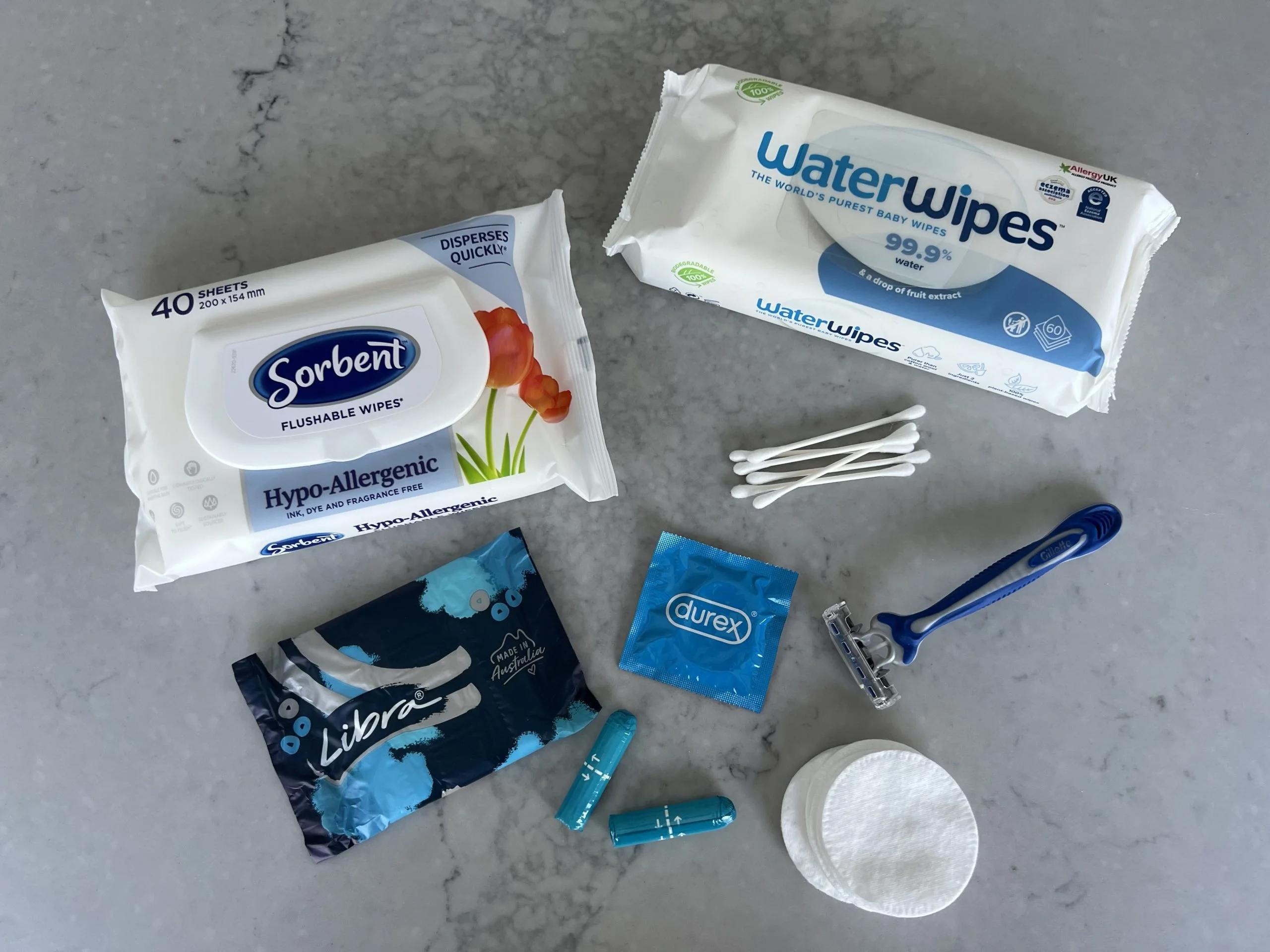
Please Don’t Flush This Down The Toilet
Fatbergs are created when you flush down wet wipes or “flushable” wipes down the toilet and they get caught up in your pipes with a combination of any oils, fats or grease poured down the ....
Read More
How To Choose The Right Plumber in 2022.
Imagine you’re in the midst of a plumbing emergency (we’ve all been there) and you desperately need an ace plumber on your door step. We doubt in the middle of a plumbing emergency you&rs....
Read More
How To Unclog A Toilet Without A Plunger?
Irrespective of how hard you try, sometimes a toilet or bathroom clog is unavoidable. Whatever might be the reason for the clog, you need to clear the same. When you wish to fix the problem, a plunger....
Read More$0 Call Out On All Sydney Plumbing Services
Can’t find the service you need? Don’t worry — we probably do it. Use our search to check if our plumbers cover your area!

.jpg "Schools & Day Care Centres")
Not sure where to start? Just give us a call and we’ll guide you through your options step by step. Our team will explain everything clearly, offer expert advice, and if it suits you, we can send someone out today.
THIS IS WHAT WE GET UP TO ON A DAILY BASIS